Concrete leveling services
Concrete Leveling Denver lifts settled slabs back to grade across the Denver metro and the Front Range, then fills the voids and seals the joints that let them sink. Ten services, two methods, one standard for how a slab should sit.
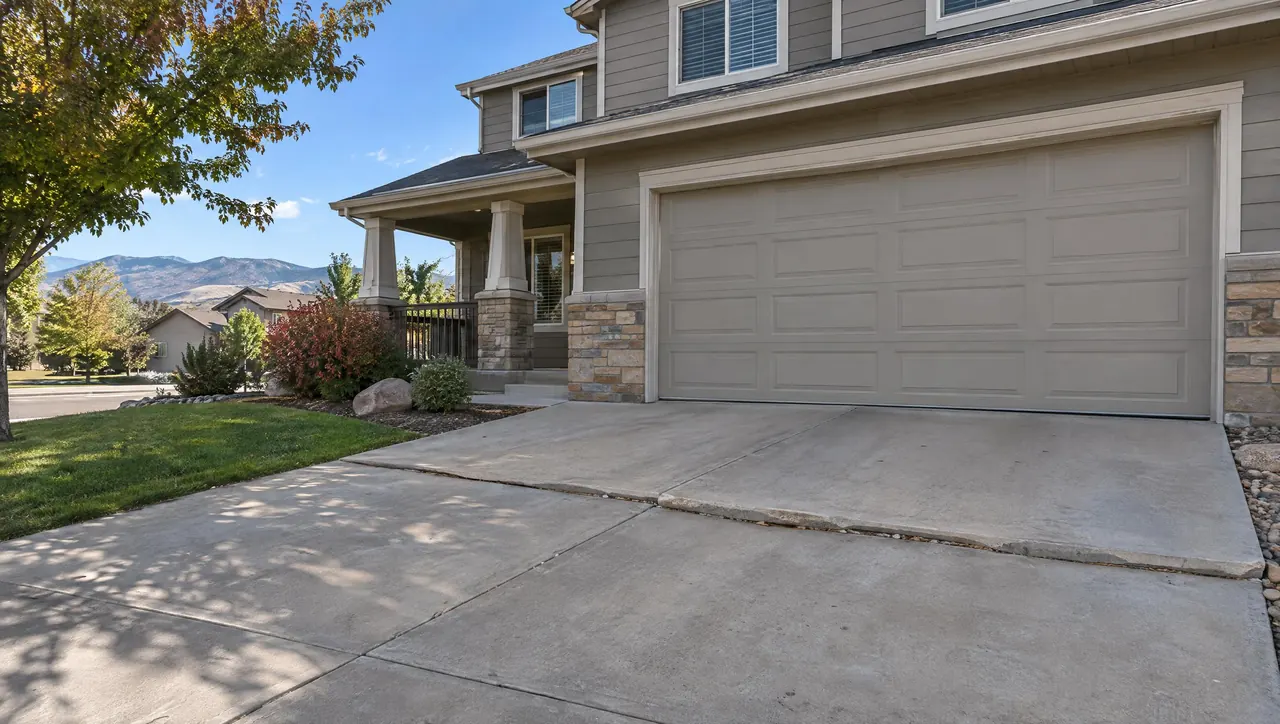
Driveway Leveling
Settled driveway panels, lips at the garage apron and slabs tilting toward the house, lifted back into line without tearing out the concrete.
 02
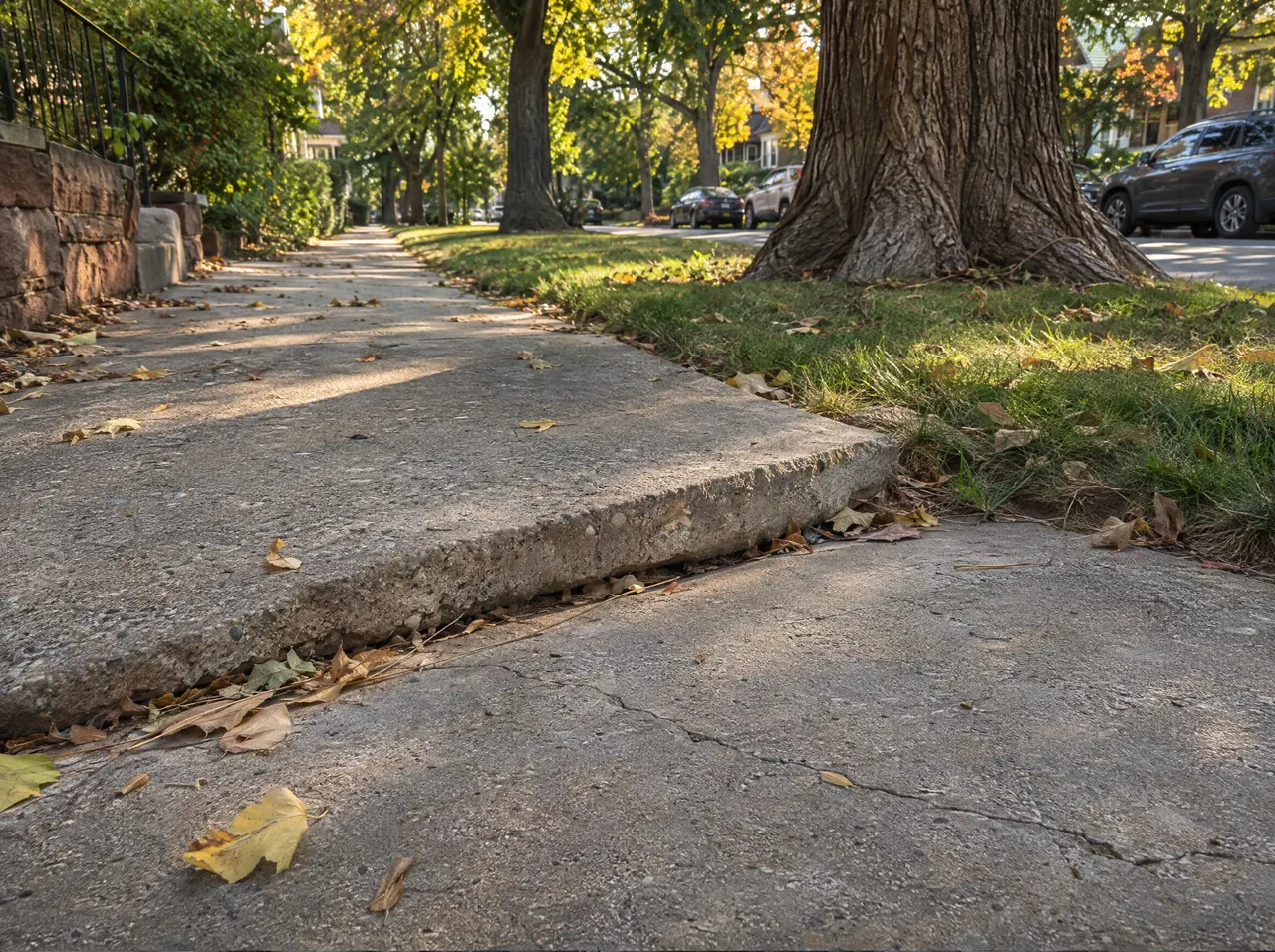
Sidewalk Leveling & Trip Hazards
Sunken sidewalk panels and raised joints brought back to a flush, walkable line for homes, HOAs and property managers.
 03
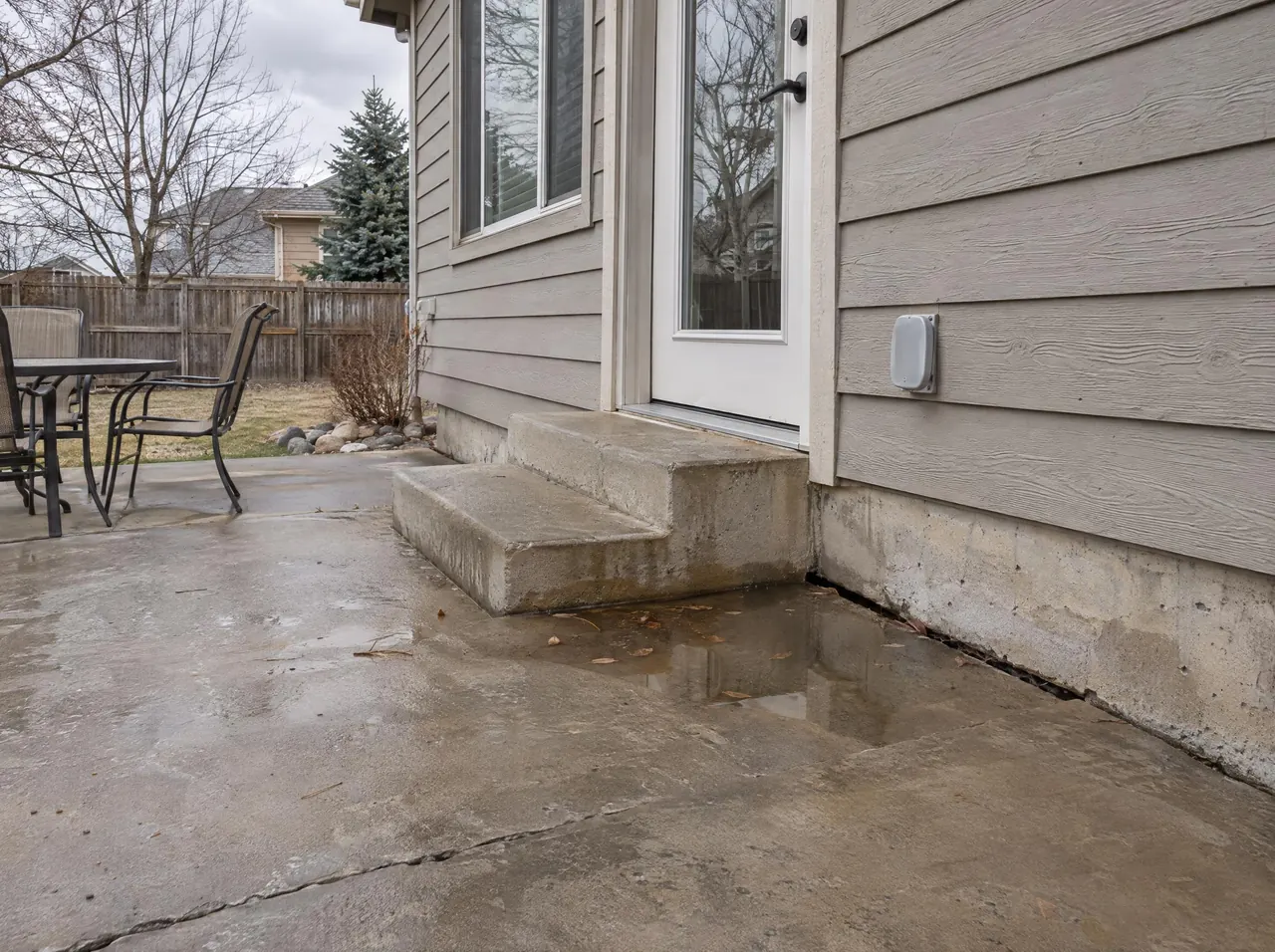
Patio, Porch & Step Leveling
Patios that pitch water back at the foundation, stoops pulling away from the house and steps that have dropped out of square.
 04
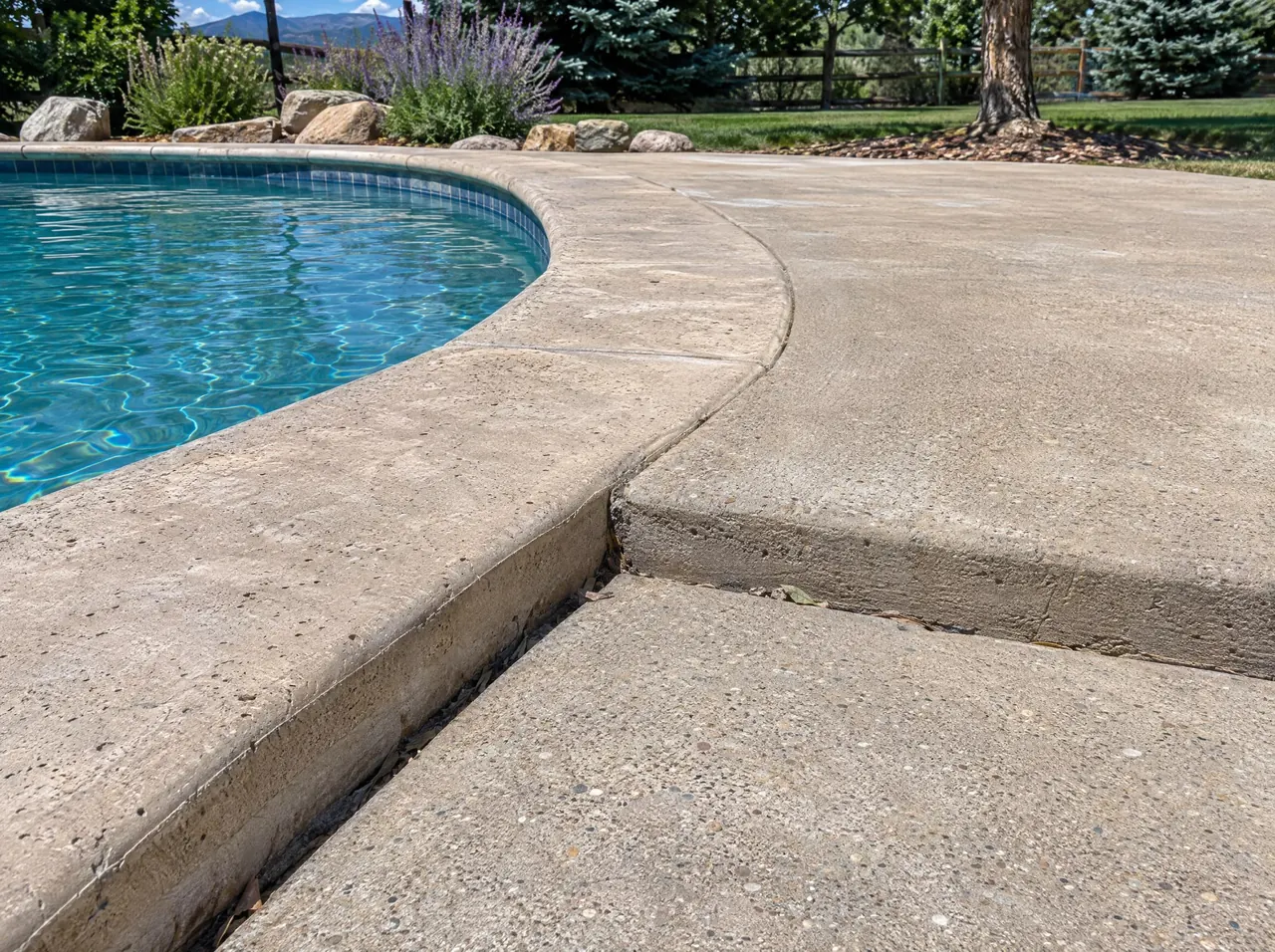
Pool Deck Leveling
Deck slabs that have dropped below the coping or opened up at the joints, raised with care around pool plumbing and the shell.
 05
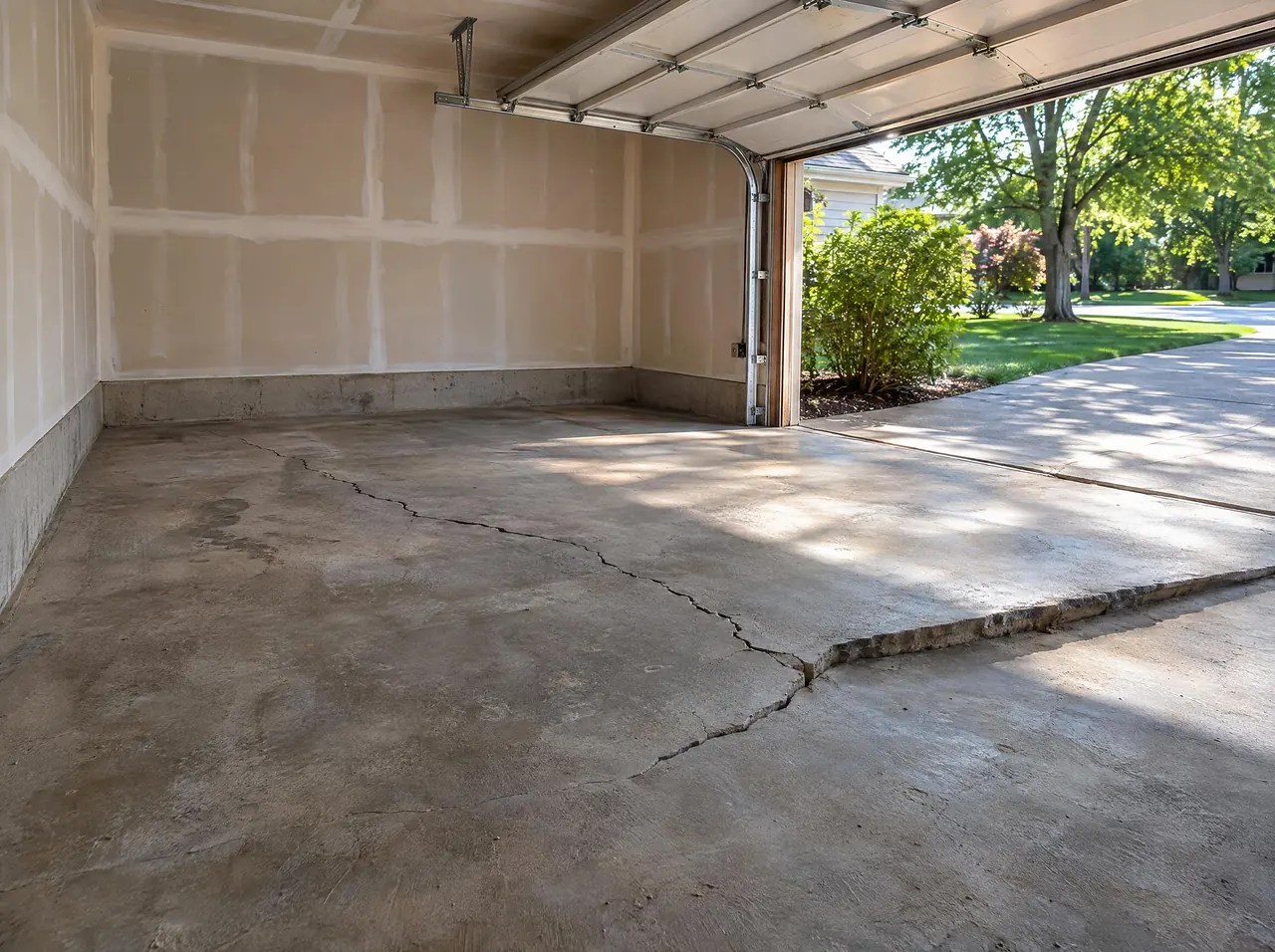
Garage & Basement Floor Leveling
Interior slabs with sunken sections, open cracks and a drop at the apron, corrected from inside the building.
 06
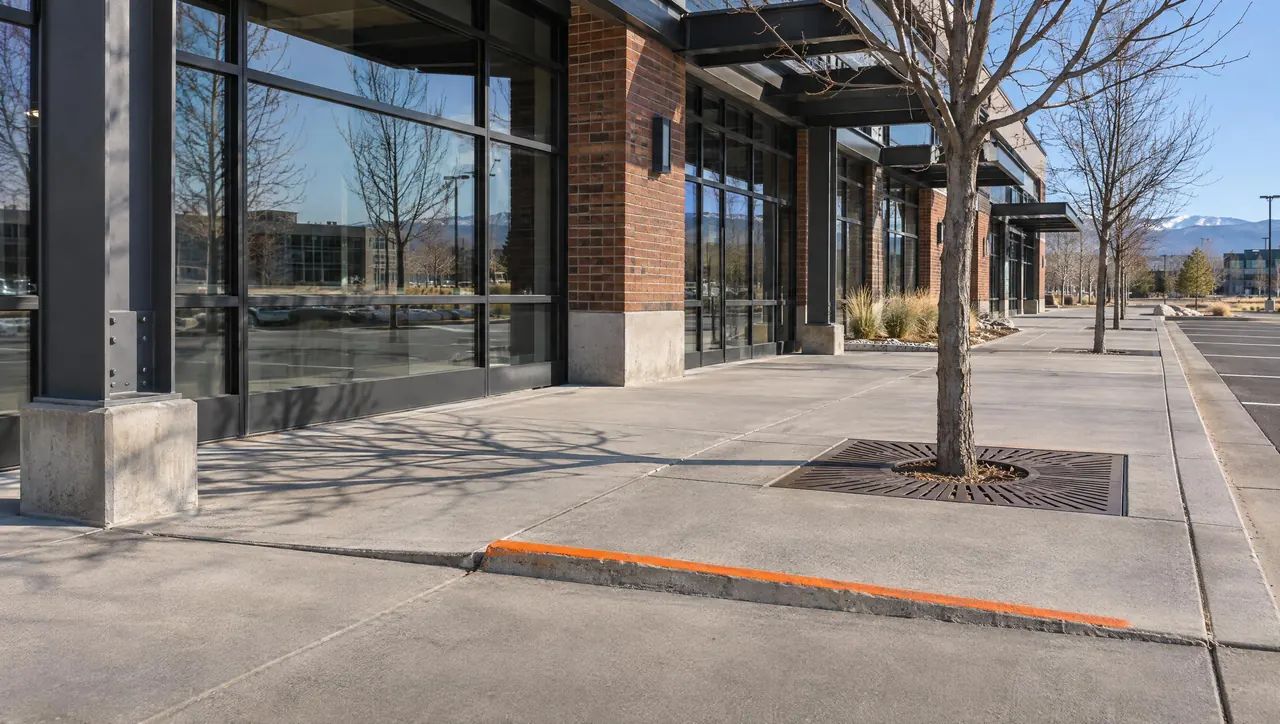
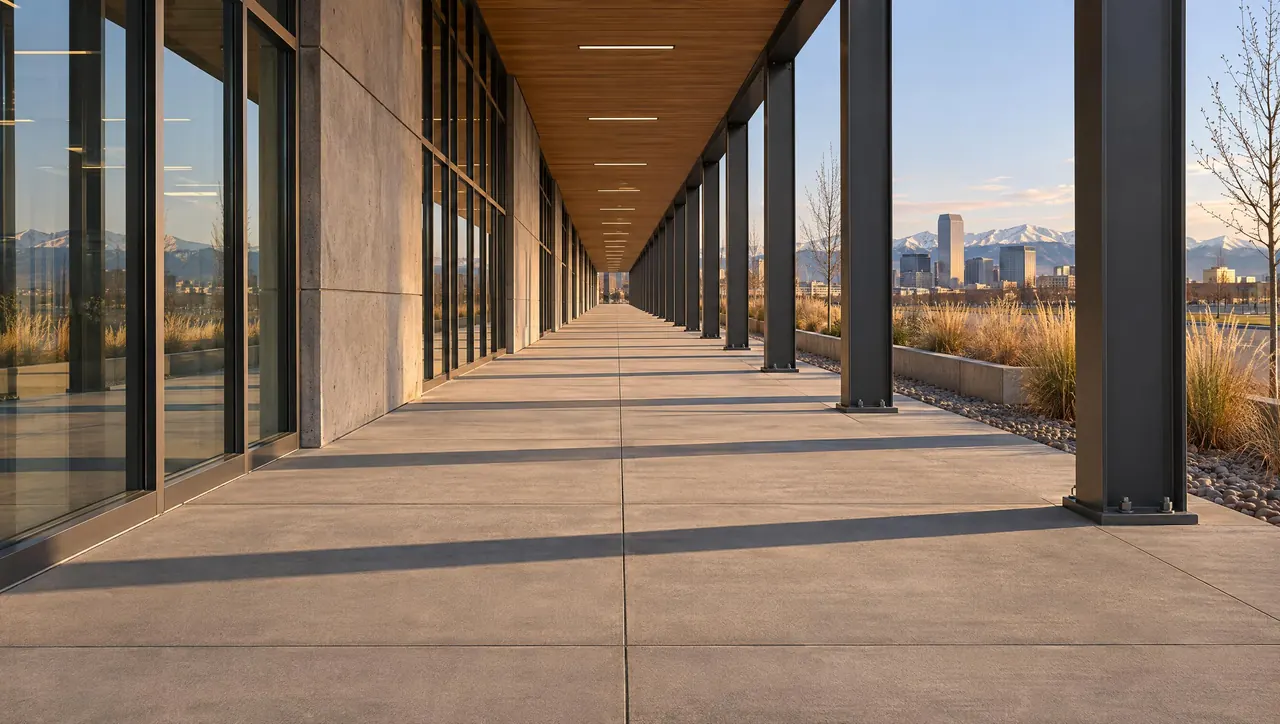
Commercial Concrete Leveling
Trip-hazard correction for storefront walkways, HOA common areas, multifamily sites and warehouse slabs, scheduled around the people who use them.
 07
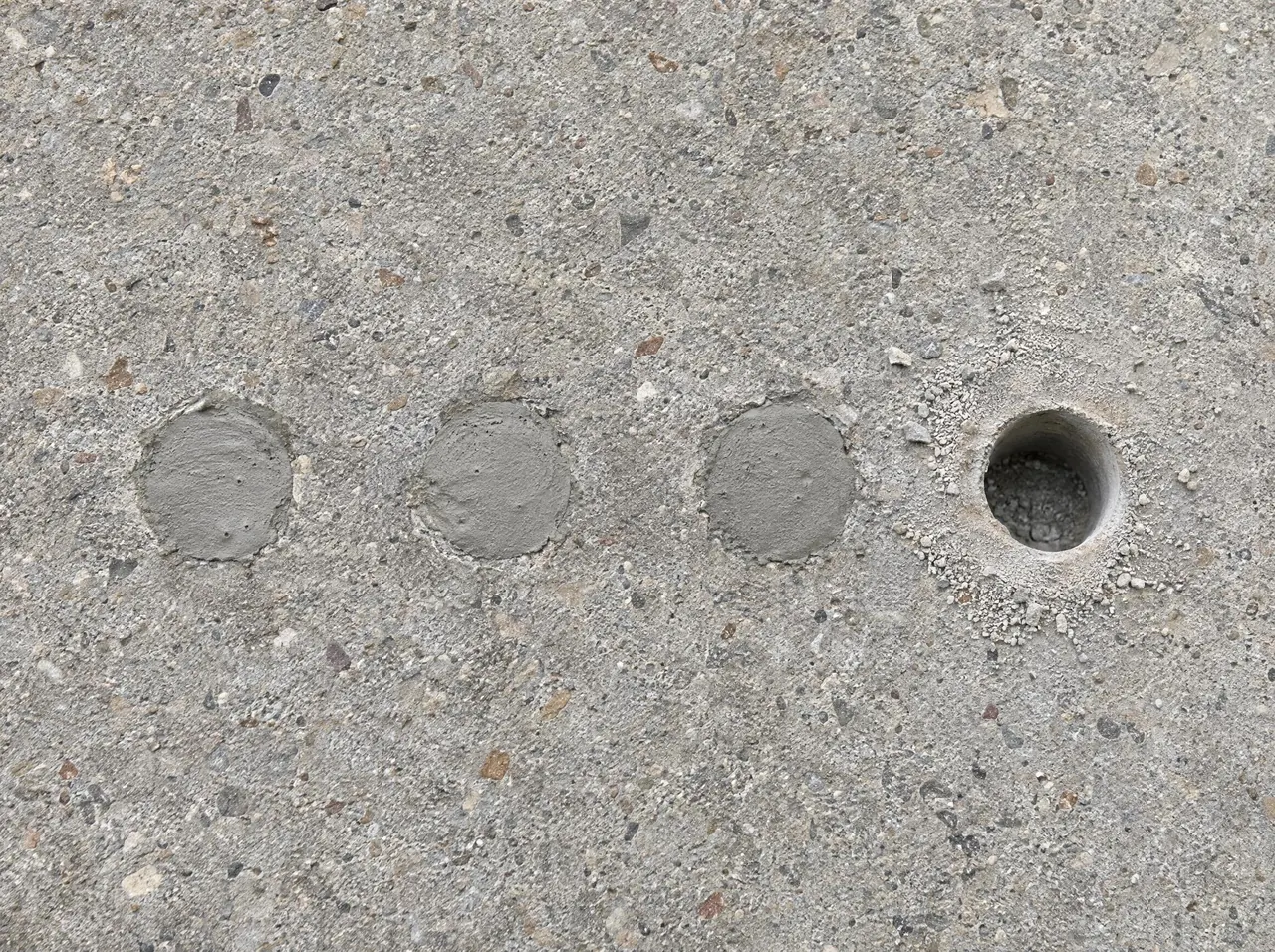
Slab Void Filling
Hollow-sounding slabs that have not dropped yet, supported again by filling the empty space underneath before they crack or settle.
 08
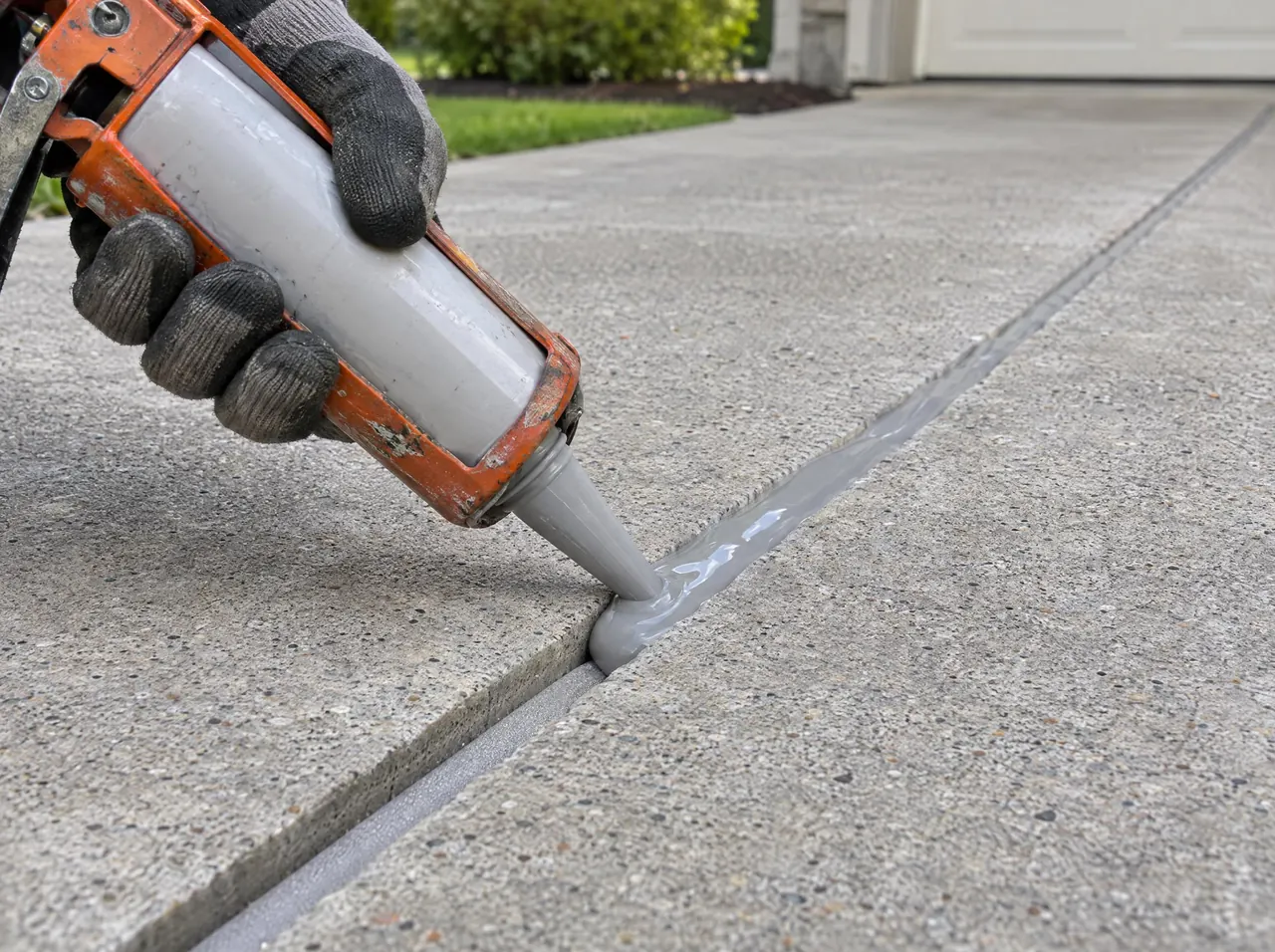
Concrete Joint & Crack Sealing
Flexible sealant in control joints and cracks to keep water out of the subgrade, usually the last step after a slab is leveled.
 09
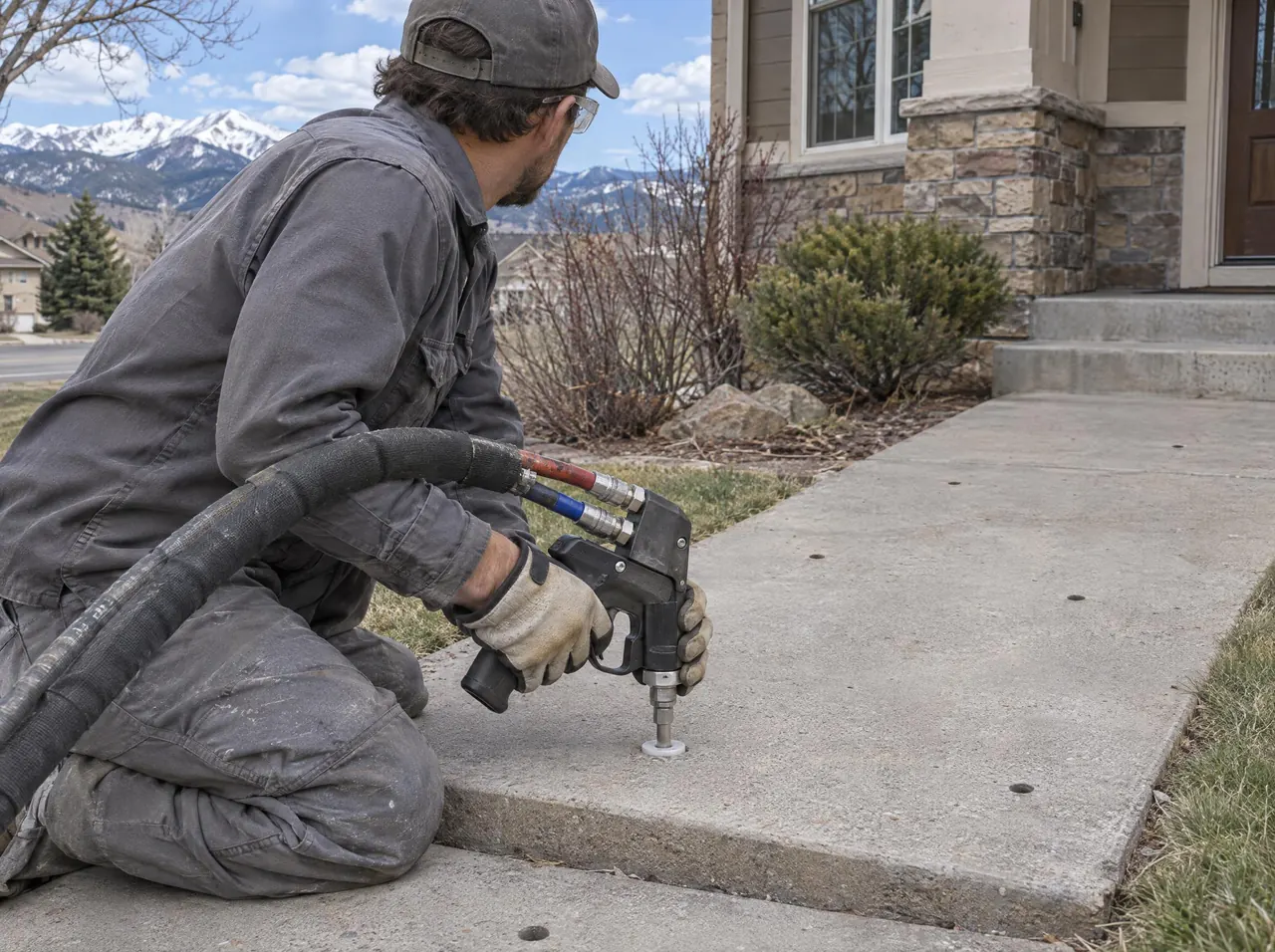
Polyurethane Foam Leveling
Two-part structural foam injected through small ports. Light, quick to cure and well suited to soft or wet soil.
 10
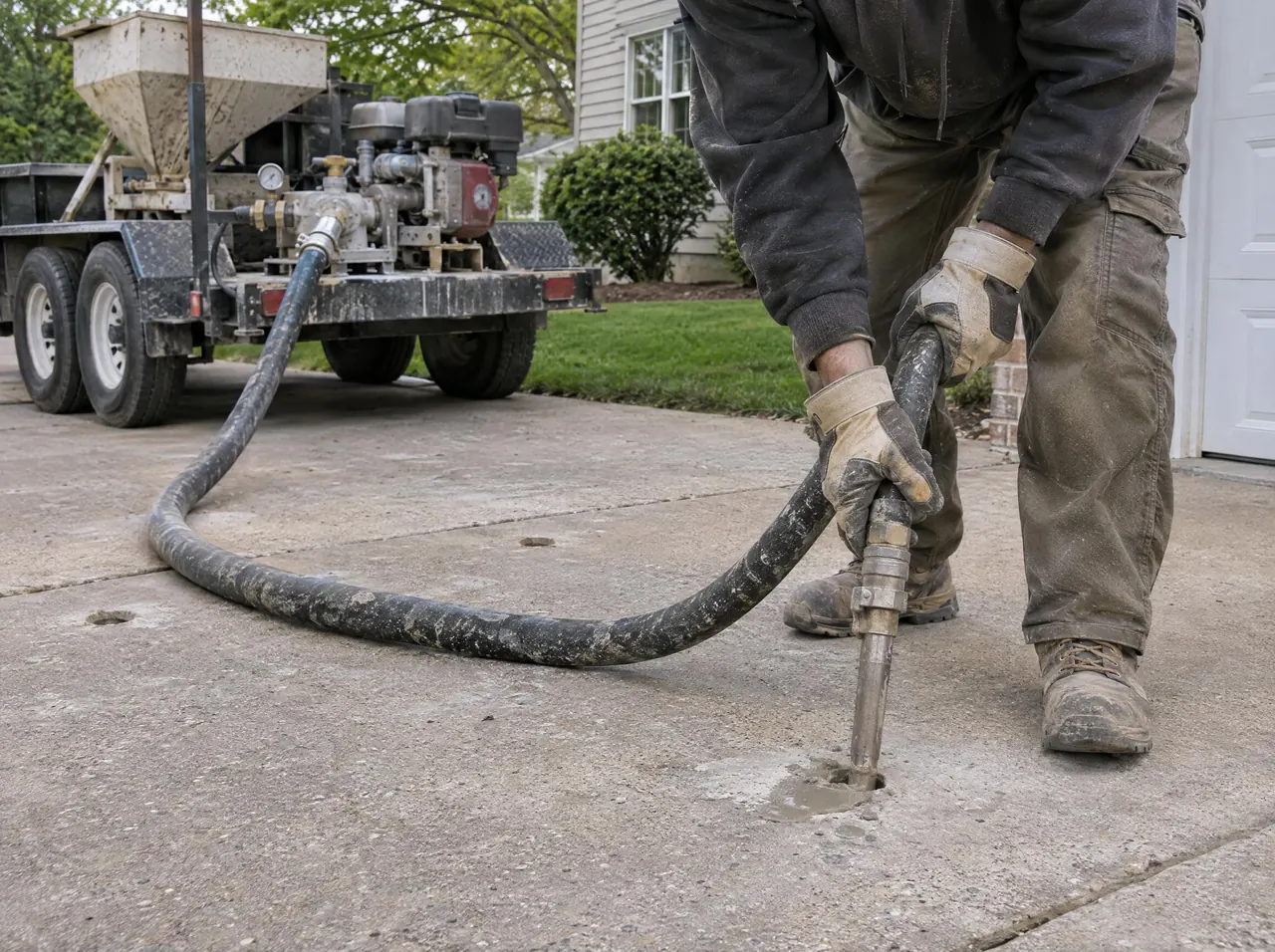
Mudjacking
A cement-based slurry pumped under the slab to fill voids and raise it. The long-standing method, still the right call for some jobs.
Start with the symptom, not the slab.
Most people searching for concrete leveling in Denver know something is wrong before they know what to call it. A lip at the garage, a puddle against the house, a hollow sound underfoot. The symptom usually points to the service.
Two things decide whether lifting is the right fix at all. The slab has to be in reasonably sound condition, and the reason it moved has to be something that can be controlled. A slab broken into many small pieces, or one pushed up by a tree root, needs a different repair.
Foam or slurry, chosen per slab.
We use both. The soil, the size of the void, the slab's weight and how soon it needs to carry traffic decide which one goes under a given slab.
Polyurethane foam leveling
Small injection ports, a light material that expands to fill the void, and a short cure. Often the better choice over soft or wet soil.
BMudjacking
A cement-based slurry pumped through larger holes. Heavier and slower to cure, and still a sensible option for some large voids and budgets.
Let's get it level.
Tell us which slab has moved and where it is. Photos help. We look at the measurements, ask about drainage, and come back to you about the next step.
- PhoneBeing set up. Use the form for now.
- EmailUse the form; replies come from our team.
- Based inDenver, Colorado
- CoverageColorado Springs to Fort Collins along I-25. See every area