From the foothills to the eastern plains
Colorado Springs is the El Paso County seat and the south end of the I-25 corridor we cover, roughly 70 miles south of Denver. The city grew up near where Monument Creek meets Fountain Creek, below Pikes Peak, and it has spread a long way since: west into the foothills around Garden of the Gods, north toward the Air Force Academy, and east onto open plains. That spread is why concrete leveling in Colorado Springs covers a wider range of conditions than it does in most Front Range towns.
| Part of the city | Typical housing | Concrete to look at first |
|---|---|---|
| Older central neighborhoods such as the Old North End, and Old Colorado City | Older homes, mature street trees, many detached garages | Sunken walk panels versus root heave; settling over old trenches |
| West side and foothills | Hillside lots with steps and retaining walls | Downhill slab edges washing out; slope stability before any lift |
| North and east, such as Briargate and newer subdivisions beyond | Master-planned neighborhoods, HOAs, attached garages | Garage aprons and patios over foundation backfill |
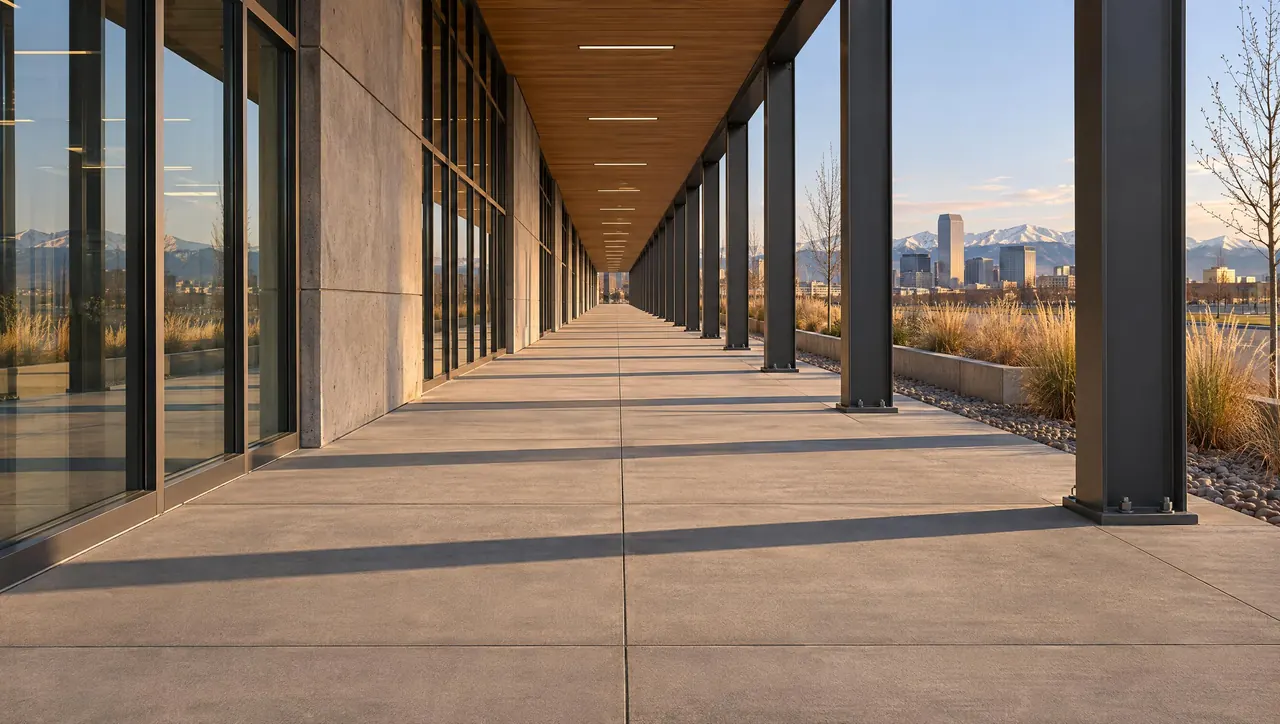
| Commercial corridors | Retail, offices, apartments | Trip-edge offsets on walkways and entrances |
Expansive clay changes how we judge a lift
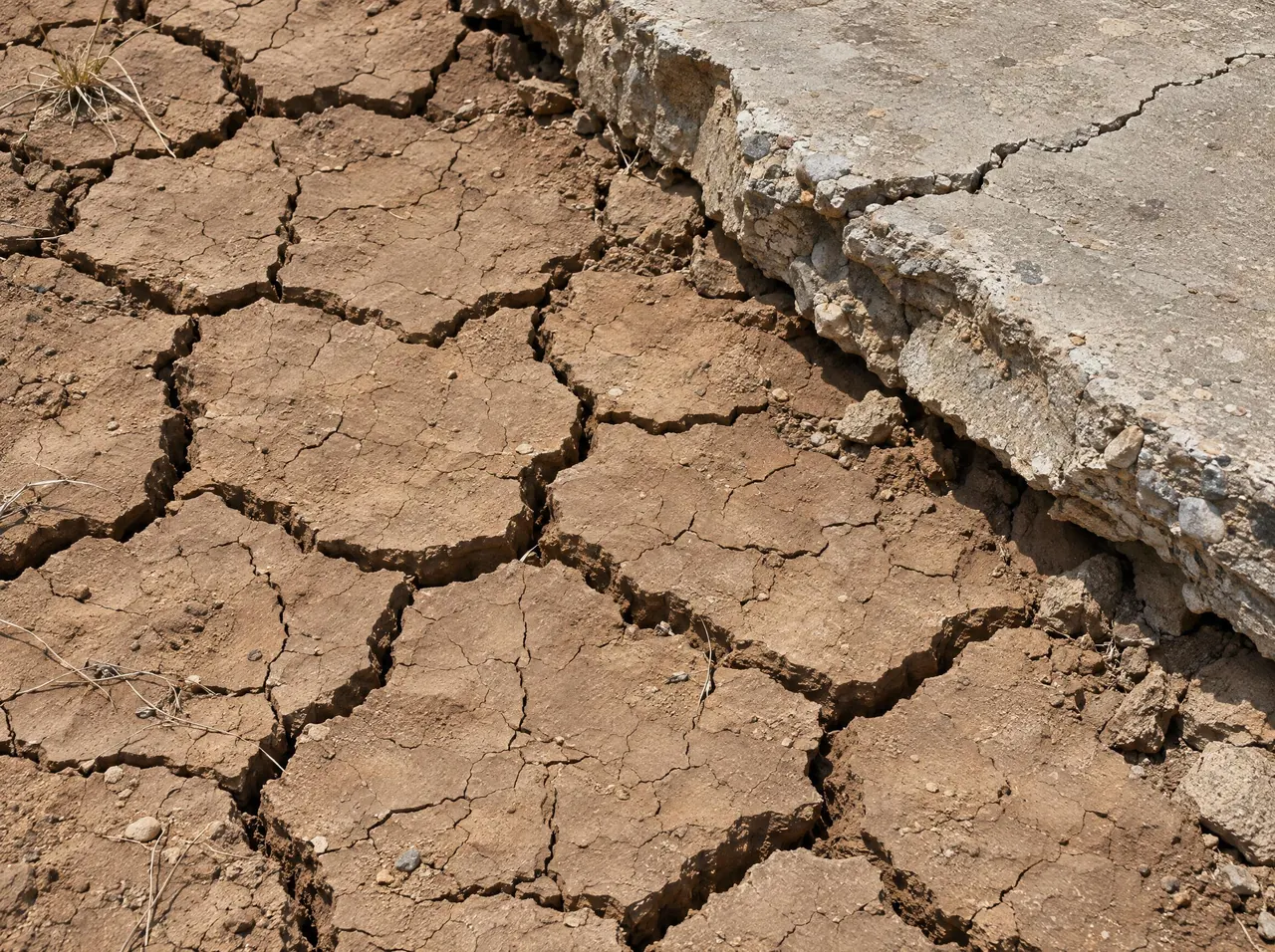
The Colorado Geological Survey has published on swelling soils along the Front Range for decades, and parts of the Colorado Springs area have them. Expansive clay takes on water and swells, then shrinks as it dries. A slab over that kind of soil can drop where the ground dries out and rise where it stays wet, and the same slab can do both in different years.
That matters for whether lifting is worth doing. A slab that settled because the soil under it shrank or washed out, and has stayed put since, is a sound candidate. One that moves up in wet seasons and down in dry ones is chasing soil moisture, and a lift alone may not hold. Keeping moisture steady near the house, with downspouts extended, sprinklers aimed off slab edges and gutters clear, does more for that slab than any lifting material.
Tell us which part of town you're in and send a photo of the slab; we'll tell you whether it looks like settlement we can lift.
Request an estimateFoam or slurry on soft ground
On soft or clay soils, weight counts. Mudjacking slurry is heavy and adds load to ground that has already given way; polyurethane foam weighs very little by comparison and won't wash out. Mudjacking still makes sense on some slabs with large voids over firmer ground, and its material cost is usually lower. Our mudjacking page explains where slurry is still the right call. The crew chooses per job.
Older neighborhoods and street trees
In the older central neighborhoods, trip edges on sidewalks come from two directions. A panel that sank can be lifted back to the line of the walk. A panel pushed up by a tree root can't, and lifting the panels around it to match only spreads the problem. A straightedge across the joint shows which side moved; our sidewalk trip hazard page covers that check in detail.
Garage aprons on the north and east sides
In the newer subdivisions, the first driveway panel at the garage door sits on foundation backfill and is the one most likely to have dropped. It usually moves as one piece and lifts cleanly. Before any digging for drainage fixes, call Colorado 811 for utility locates. Our driveway leveling page covers apron panels in more detail, and if you're just north of the city, see our Monument service area.
In Colorado Springs, figure out whether the slab sank and stayed down or is still moving with the soil. Lifting fixes the first. The second needs the water dealt with first, and a moving hillside needs an engineer.