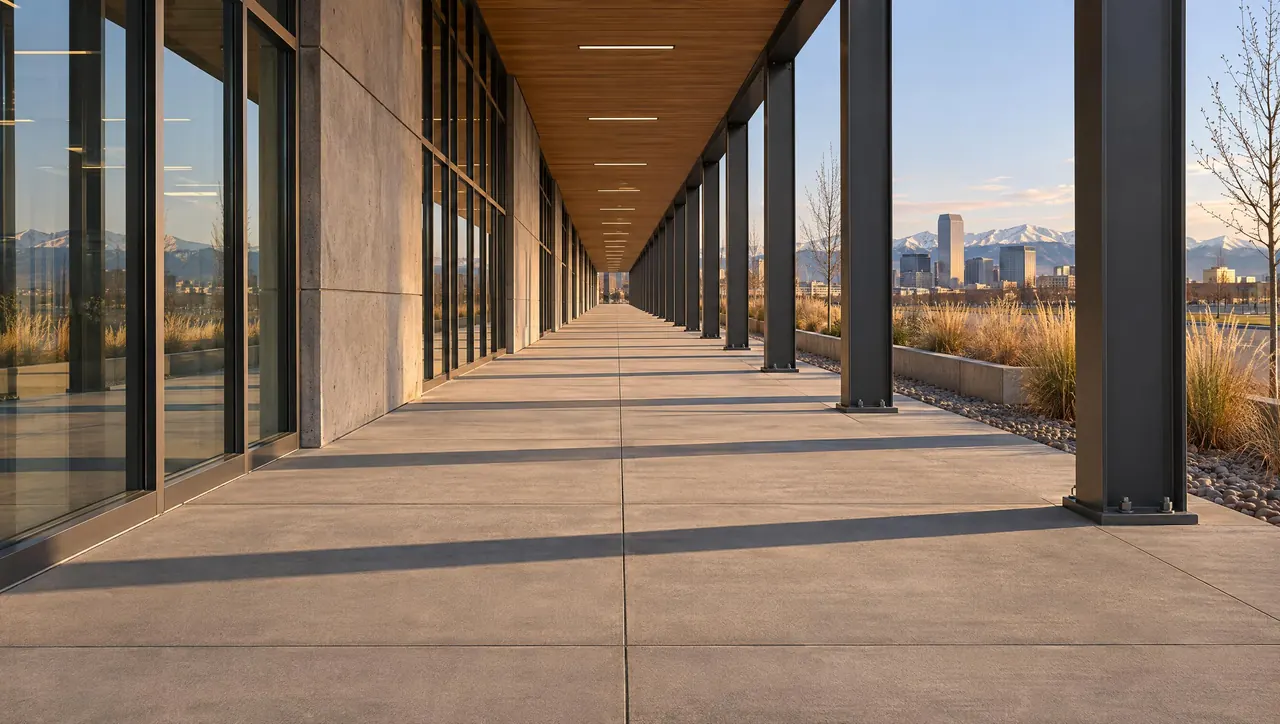
Start by asking who owns the concrete
Aurora reaches into three counties and stretches from its older core along Colfax Avenue, near the Anschutz Medical Campus, out past E-470 toward the reservoir on its southeast side. In the newer southern and eastern parts of the city, many homes belong to HOA communities. That changes the first step of concrete leveling in Aurora. Before anyone measures a slab, figure out who is responsible for it.
| Slab | Usually controlled by | Start with |
|---|---|---|
| Driveway and garage apron | The homeowner | Request an estimate directly |
| Back patio | The homeowner, though some HOAs review exterior work | Your HOA's rules |
| Walks between townhomes or around common areas | The HOA, in many communities | The management company |
| Sidewalk along a public street | Rules set by the city | The City of Aurora |
| Walks at an apartment or retail property | The owner or property manager | The manager on site |
"Usually" is doing real work in that table. Declarations differ from one community to the next, and a neighborhood with no HOA works differently from one built in the last twenty years. Check before you pay for work on concrete that might not be yours.
Master-planned neighborhoods in the south and east
Communities near E-470, around Southlands and out toward the reservoir, were largely built with irrigated common areas and long runs of shared walks. Two settlement patterns are common in newer suburbs like these:
- Patios and stoops sinking against the house as construction backfill compacts
- Shared walks dropping where sprinkler zones keep the soil wet right beside them
For an association, the useful first step is a site-wide measurement of every offset, ranked by height. A board can then fix the worst trip edges first and budget the rest. The list should also flag slabs that sound hollow without having dropped yet, since those are next in line, and any panel lifted by a root, which needs a different fix and shouldn't be priced as leveling. Phasing work around residents is covered under leveling for HOAs and commercial sites.
An individual owner who needs approval for work on a private patio or stoop can usually move faster with a short packet for the architectural committee:
- A photo of each slab and where it sits on the lot
- Which method will be used, foam or slurry
- A note that the existing concrete stays in place, with only small drilled holes patched afterward
- The timing, and how long the slab will be out of use
Older blocks near Colfax
Northwest Aurora, close to the Denver line, has older houses, mature trees and sidewalks that have been through decades of winters. Problems there look more like an older Denver neighborhood than a new suburb: panels lifted beside street trees, front walks sinking where a downspout empties, and driveways with a lip at the garage.
Clear the public walk along the street with the City of Aurora first. For a private walk that has simply settled, sidewalk leveling lifts the low panel back flush with its neighbors.
Get a measured list of every settled slab at your Aurora home or HOA.
Request an estimateClay and sprinklers under a plains suburb
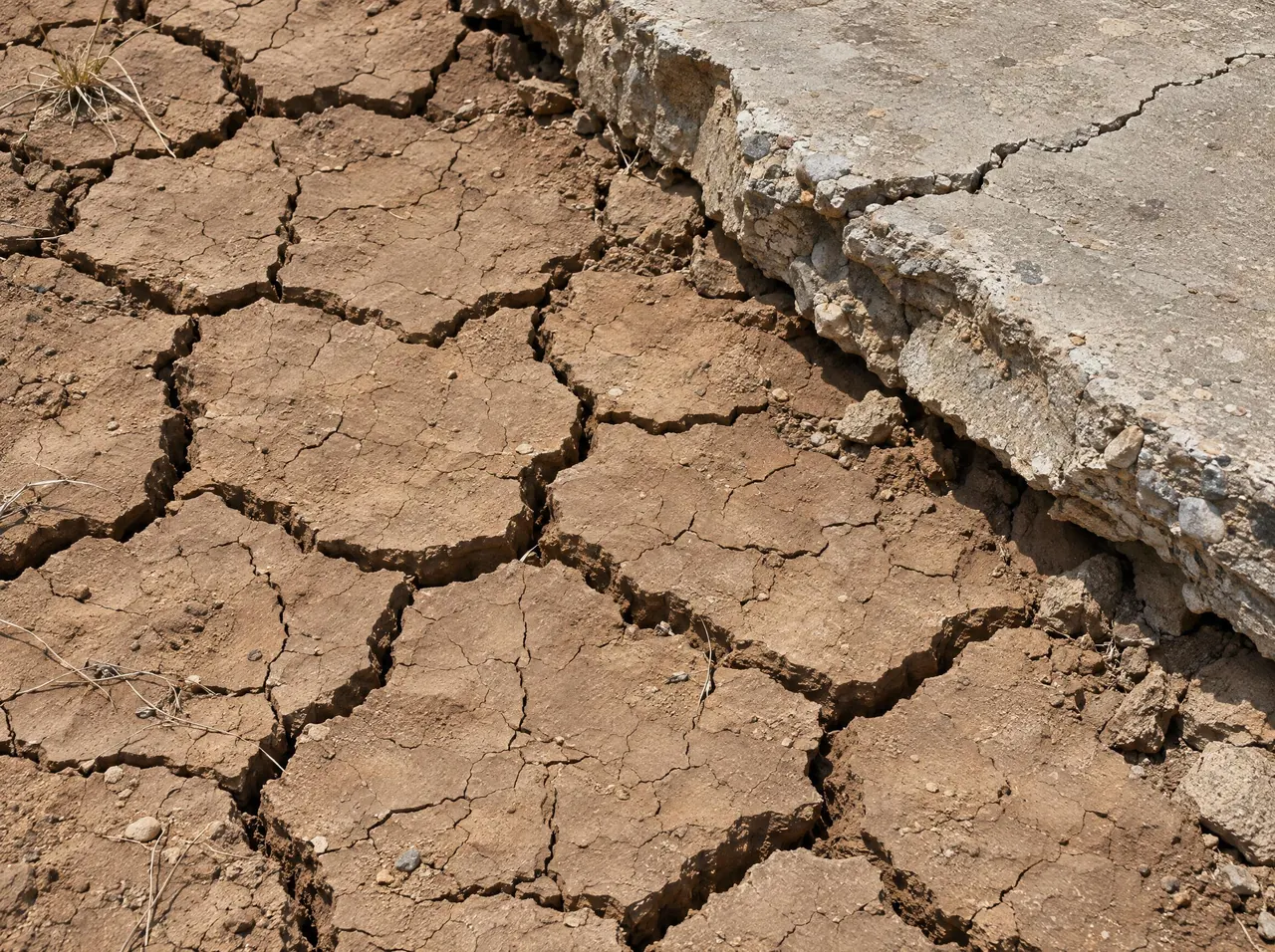
This is plains country, and expansive clay soils are common across much of the Front Range; the Colorado Geological Survey publishes on them. Where clay is present, it takes on water and expands, then contracts in dry weather, and irrigated lawns push it back and forth all summer. A slab riding on that can drop in a dry spell and shift again after a wet one.
That kind of ground favors a light material that doesn't wash out, which is why polyurethane foam leveling is often the first option on walks and patios here. It holds up best when the moisture around the slab stays steady: sprinklers aimed away from slab edges, downspouts carried out past the concrete, and joints sealed so water can't run straight into the base.
For an Aurora property, the order is ownership, then measurement, then method. Sorting out who controls a slab first keeps an approval from stalling the job later.