A coal town at the start
Frederick began as a coal mining town. It's one of the Carbon Valley communities in Weld County, beside Firestone near I-25 and about 30 miles north of Denver, and the valley takes its name from the coal mined there for decades. Most of that mining was underground, in what geologists call the Boulder-Weld coal field, and the Colorado Geological Survey has published on ground subsidence above abandoned mines in that field.
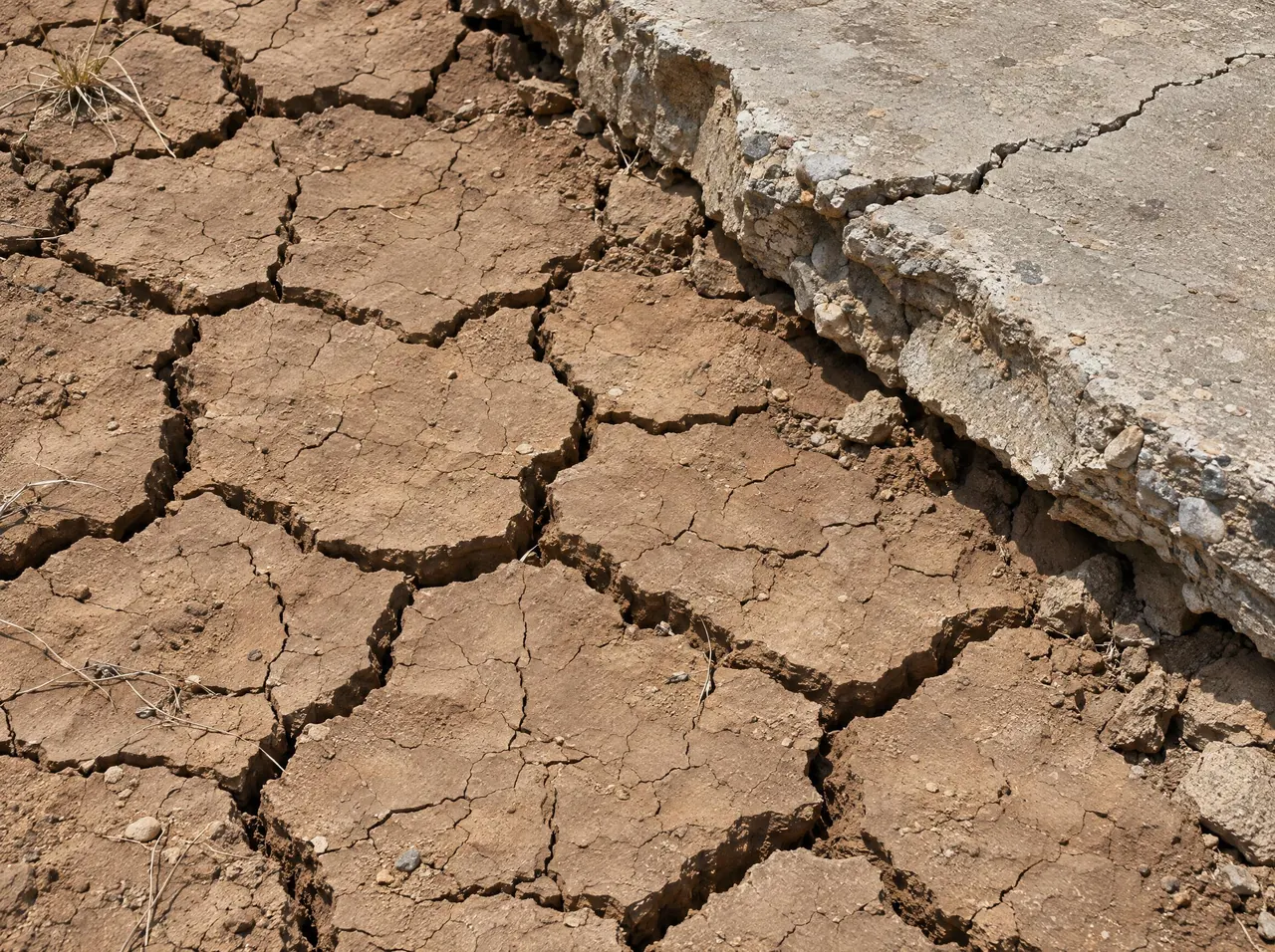
For concrete leveling in Frederick, the history matters for one reason. Subsidence and ordinary slab settlement can look alike at first, and they need very different responses. A sunken driveway or stoop usually has an everyday cause, but it's worth knowing how to tell the two apart.
Ordinary settling or something deeper
Start with how much ground is involved. A slab that dropped on its own is a local problem. Movement spread across a whole property is a different matter.
If purchase documents or a soils report mention undermining on your property, tell us before anyone measures. Leveling lifts a slab and fills the space right under it. It can't stabilize ground over an old mine.
Keep a simple record of movement
If you aren't sure whether something is still moving, a few months of notes will tell you. Mark the ends of a crack with a pencil line and the date. Measure the lip at a joint in the same spot each season and write it down. A slab that dropped once and then stopped is a straightforward leveling job. One that keeps sinking after downspouts and sprinklers have been dealt with, or cracks that keep lengthening past your marks, are worth showing to an engineer before anyone lifts anything.
The old town core and the neighborhoods around it
Frederick still has its small historic downtown, with older, modest houses on the blocks nearby. Most residents, though, live in the large neighborhoods that filled in around it over the last 25 years or so. For those homes, the everyday cause of a sunken driveway or stoop is the same as anywhere along the Front Range: loose backfill against the foundation and too much water reaching it.
A hollow-sounding walk or patio is common in both settings. Water finds a path under the slab, carries fine soil away and leaves a cavity while the concrete still looks level. Filling voids under concrete slabs supports the slab again before it breaks, which is a smaller job than lifting it after it drops.
Choosing between foam and slurry
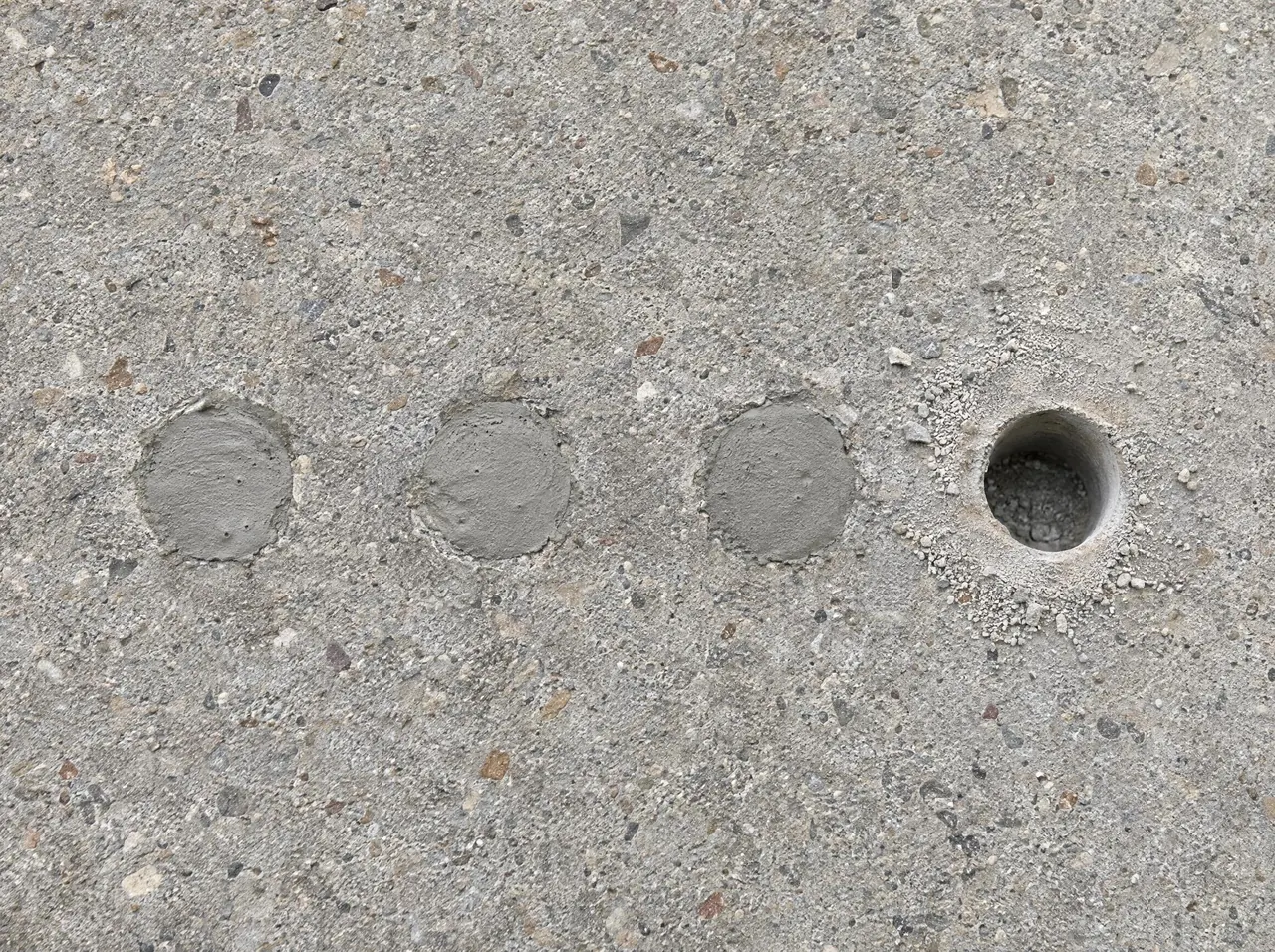
On soft or wet soil, weight matters. Polyurethane foam is very light, so it puts hardly any extra weight on soil that is still compressing, and it cures quickly enough for people to walk on soon after. Mudjacking slurry is much heavier and needs more curing time before cars go back on it, but it usually costs less in material and still suits firm ground with large voids. The crew picks per slab after measuring.
For a driveway that dropped at the garage, see driveway leveling for what the work involves.
If a slab at your Frederick home has dropped or sounds hollow, have it measured before it cracks further.
Request an estimateTown sidewalks and utility locates
Questions about a sidewalk in the public right-of-way go to the Town of Frederick. If a drainage fix means digging, call Colorado 811 first so buried utility lines get marked. Next door, the Firestone page looks at how the seasons work on concrete over young fill.
A single sunken slab in Frederick is usually ordinary settling and lifts well. Movement spread across the property, or anything paired with foundation cracks, goes to an engineer first.