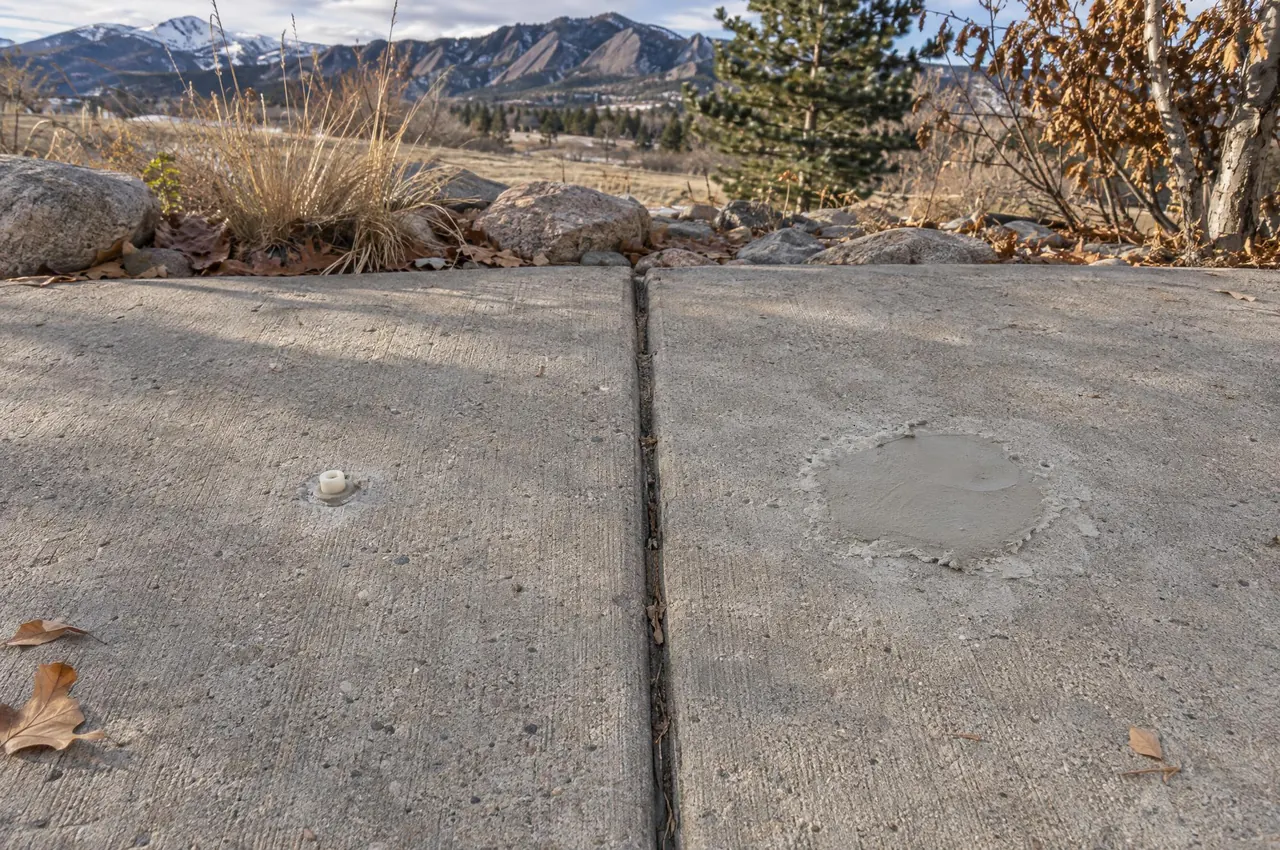
The short answer to foam vs mudjacking is to let the slab and the soil under it decide. Polyurethane foam weighs very little and won't wash out, and you can usually walk on the slab the same day. Mudjacking pumps a heavy cement-based slurry that usually costs less in material but needs more curing time before vehicles go back on it. On the Colorado Front Range, where expansive clay and poorly compacted backfill are common, those differences change the outcome. Late fall is when many owners try to get slabs lifted before the ground freezes, so the comparison below is built for making a quick, sound call.
Foam and mudjacking compared line by line
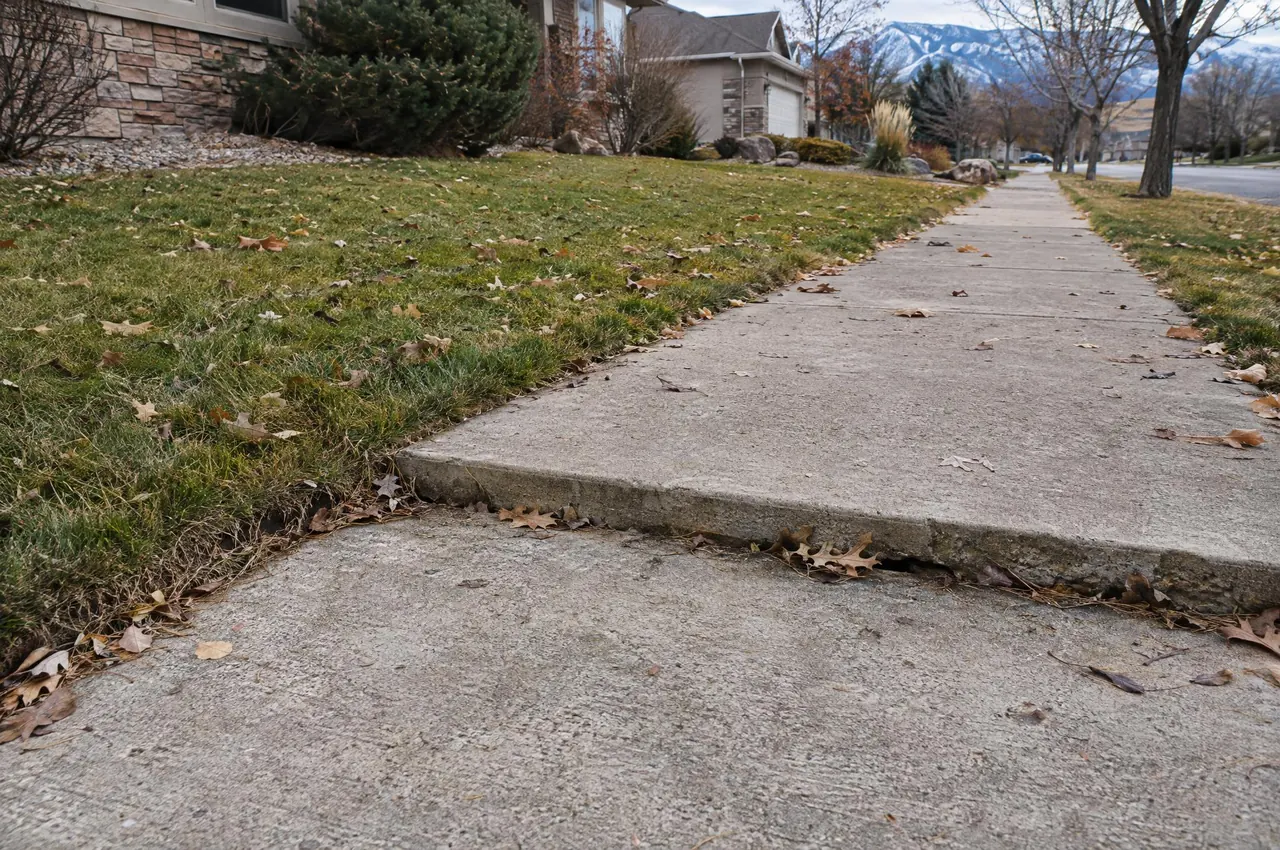
Both methods lift a sunken slab the same basic way: drill holes, pump material underneath, and fill the void that let the concrete drop. The differences are in what goes under the slab and how it behaves for years afterward.
| Factor | Polyurethane foam | Mudjacking (slurry) |
|---|---|---|
| Holes drilled | Ports about 5/8 in | Holes roughly 1 to 2 in |
| Material | Expanding polyurethane | Cement-based slurry |
| Weight added to the soil | Very light | Heavy |
| Back in use | Foot traffic usually the same day | Needs more curing time before vehicle traffic |
| Water under the slab | Does not wash out | More exposed if water keeps moving beneath it |
| Moisture added to the soil | None | Placed as a wet mix |
| Material cost | Higher | Usually lower |
| Large voids | Fills them, but cost climbs with volume | Fills them economically |
| Patches afterward | Small and easy to blend | Larger and more visible |
You can read more about how each one works on our pages for polyurethane foam leveling and mudjacking with cement slurry. The table gives the general picture. The soil is what tips most jobs one way or the other.
How Front Range soil tips the decision
Expansive clay
Expansive clay swells when it gets wet and shrinks as it dries. The Colorado Geological Survey maps where these soils occur, and they show up in plenty of neighborhoods along I-25. Leveling doesn't stop clay from moving, so the goal is to lift the slab without adding load or water the soil doesn't need. Foam's light weight and dry placement give it the edge here. Slurry can still make sense on clay that has been stable for years, especially under a large void where the material savings are real.
Loose backfill next to the foundation
Soil dug out for a basement and pushed back in is often poorly compacted, which is why patios, stoops and walks against the house drop first. Heavy slurry resting on soft fill adds weight to the very layer that already failed. We lean toward foam for slabs on backfill, and the deeper that fill runs, the stronger the preference.
Wet or poorly drained ground
Downspouts, gutters, irrigation and plumbing leaks carry fine soil out from under slabs. Cured foam does not wash out. Slurry holds up well once the water source is fixed, and it's more exposed when it isn't. Fix the water first regardless of method; no fill material outlasts a downspout aimed at a slab edge.
Before you ask for an estimate, run a hose near the slab or watch it during a rain. Where water pools or disappears under the concrete tells you more about the right method, and about whether the lift will last, than the crack pattern does.
If a slab dropped this year and you want a straight recommendation on foam or slurry before the freeze, send us a few photos and the address.
Request an estimateDecision matrix by slab type and soil
These are the defaults we start from. A look at the site can change any of them.
Late fall timing and cold weather
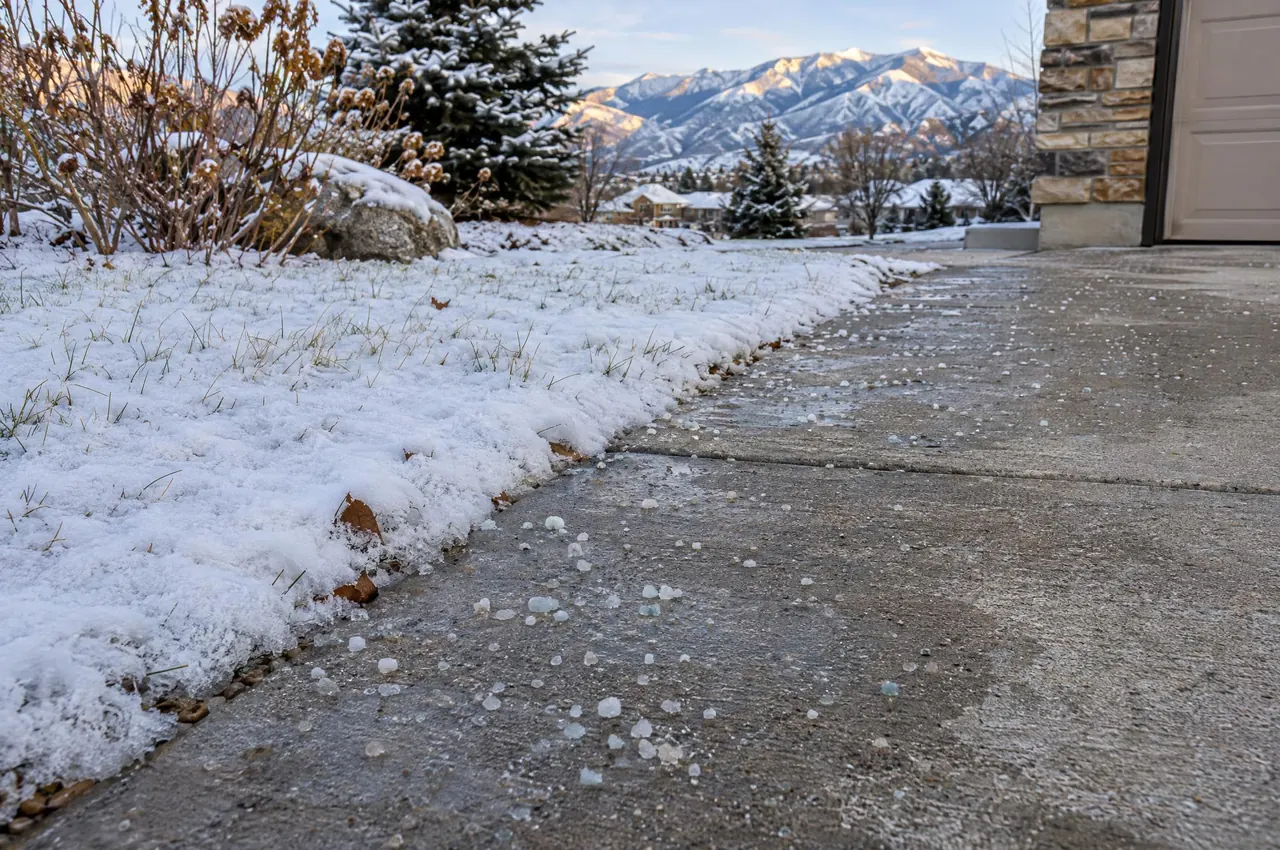
November can be a reasonable time to lift a slab, but cold affects both materials. Slurry is cement-based, and cement cures more slowly as temperatures drop, which stretches the wait before you can drive on it. Foam's chemical reaction is also temperature sensitive; the product manufacturer's data sheet lists the working range, and a careful installer follows it. Frozen ground is a separate issue. A slab lifted on frozen soil can settle again once that soil thaws. Our step-by-step leveling process covers how we check conditions before drilling.
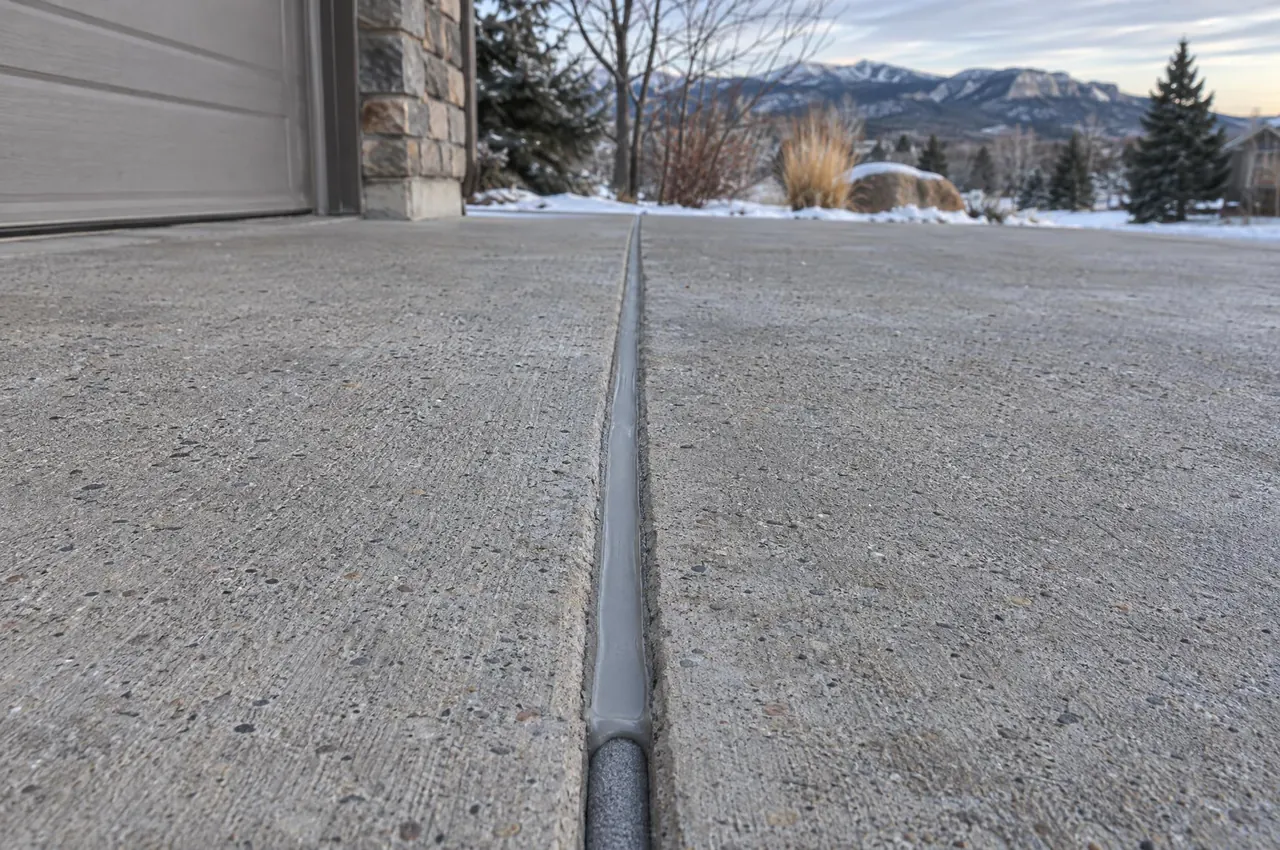
Two jobs are worth doing before a hard freeze no matter which method you pick. Point downspouts away from slabs, and seal open joints so meltwater stays out of the base.
A quote that names the method before anyone has looked at the soil or the drainage. If a contractor recommends the same material for every slab, that usually reflects the equipment they own rather than what your slab needs.
When neither method is the answer
Some slabs shouldn't be lifted with foam or slurry at all.
- Concrete broken into many pieces: leveling can't hold a shattered slab together, and replacement by a flatwork contractor is the honest option.
- A slab pushed up by tree roots: lifting the low side doesn't fix root heave. A city sidewalk next to a street tree is usually a question for city public works.
- Cracks or movement in the foundation itself: that belongs to a structural engineer, not a leveling crew.
- A slab that rose during a cold snap: that may be frost heave, so wait for the thaw and reassess.
- A drainage fix that involves trenching: call Colorado 811 before anyone digs.
Foam is the safer default on clay, on foundation backfill, on driveways you need back quickly and on indoor floors. Mudjacking earns its place on firm soil with big voids, where lower material cost matters and you can wait out the cure. In both cases, fix the water first. Answers on longevity and other common questions are in our concrete leveling FAQ.